
The hidden effects of gambling on mental health what you need to know
The Psychological Impact of Gambling
The allure of gambling often masks its potential psychological consequences. Many individuals view gambling as an exciting escape, yet it can lead to anxiety, depression, and other mental health issues. For some, the thrill of winning can quickly turn into a dangerous cycle of chasing losses, creating emotional distress and eroding self-esteem. In fact, engaging with an ice fishing game real or fake could also contribute to misunderstandings about the nature of luck and chance within games.
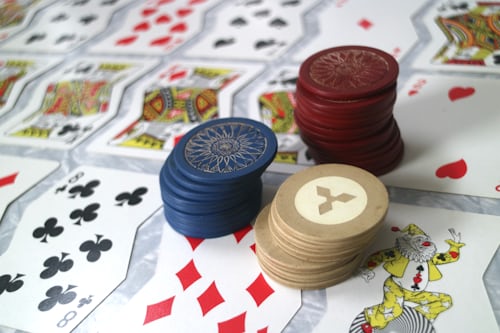
Moreover, the anticipation and excitement associated with gambling can produce short-term euphoria, which may lead individuals to ignore the negative repercussions. This cycle can result in a distorted perception of reality, ultimately affecting relationships, work life, and overall well-being.
The Myths Surrounding Gambling
There are numerous myths surrounding gambling that can exacerbate its effects on mental health. One prevalent misconception is that gambling is simply a harmless hobby. While many may engage in it recreationally, the risk of developing a gambling disorder is real and should not be underestimated. This belief can lead individuals to dismiss the signs of addiction and its associated mental health consequences.
Another common myth is that gambling can improve financial status. The reality is that while some may experience short-term wins, the long-term outcome is often detrimental. This myth perpetuates a dangerous cycle, as individuals may gamble more in hopes of recouping losses, thus worsening their mental health and financial situation.
The Effects of Compulsive Gambling
Compulsive gambling, or gambling addiction, can have severe implications for mental health. Individuals caught in this cycle often experience heightened levels of stress and anxiety. The constant worry about finances and the fear of losing can lead to chronic mental health issues, such as panic attacks and depression.
Furthermore, the social isolation that often accompanies gambling addiction can exacerbate feelings of loneliness and despair. Many compulsive gamblers may withdraw from friends and family, further deteriorating their mental well-being. Understanding these effects is crucial for those struggling with gambling and their loved ones.
The Importance of Seeking Help
Addressing the mental health consequences of gambling is essential. Seeking help from professionals can provide individuals with the tools they need to cope with the challenges they face. Therapy, support groups, and counseling can offer insight and strategies to combat the emotional toll of gambling.
Moreover, family and friends play a vital role in supporting those affected by gambling. Open discussions about the impact of gambling can encourage individuals to seek the help they need, allowing them to rebuild their lives and mental health.

Your Resource for Understanding Gambling Effects
Our website is dedicated to providing valuable insights into the hidden effects of gambling on mental health. We aim to raise awareness about the psychological implications of gambling, offering resources for those affected. Whether you are seeking information for yourself or a loved one, our platform provides guidance to navigate the complexities of gambling and its impact on mental health.
By fostering understanding and encouraging open discussions, we hope to contribute to healthier gambling habits and overall mental well-being. Join us in exploring these important topics and empower yourself with knowledge.